
-
2014Tolling experience since
-
MScWageningen University (2013)
-
10+Countries driven
-
100,000+Km on the road
I co-founded Maut & Vignette B.V. with Mattijs Wijnmalen back in 2014. As Chief Operating Officer, based at our headquarters in Amersfoort, I focus on keeping the operational side of the business running smoothly behind the scenes.
While Mattijs concentrates on strategy and route mapping, I oversee our day-to-day operations. That includes order processing, IT integrations stay reliable. It is my responsibility that our multilingual customer support team has the systems and information they need to help international drivers navigate cross-border journeys.
Building an operational bridge for European drivers
When Mattijs and I launched our first vignette platform in 2014, we wanted to solve a very practical problem: European tolling information was fragmented and often confusing for international drivers. Our aim was to make it simple for travellers to arrange the vignettes they needed in one place, in their own language, and using familiar payment methods.
When Hungary rolled out its digital e-Matrica database system, the physical sticker disappeared, but the importance of getting the registration details right became even greater.
As an independent reseller, reliability has been one of our main operational priorities. When a driver places an order through our platform, their information must be processed accurately and the correct vignette needs to be registered against the right vehicle details.
My job is to make sure that process works as smoothly as possible, from checkout through to registration and confirmation.
What exactly do I do as a COO?
A large part of my role involves analysing how order data moves through our systems and identifying where drivers are most likely to make mistakes.
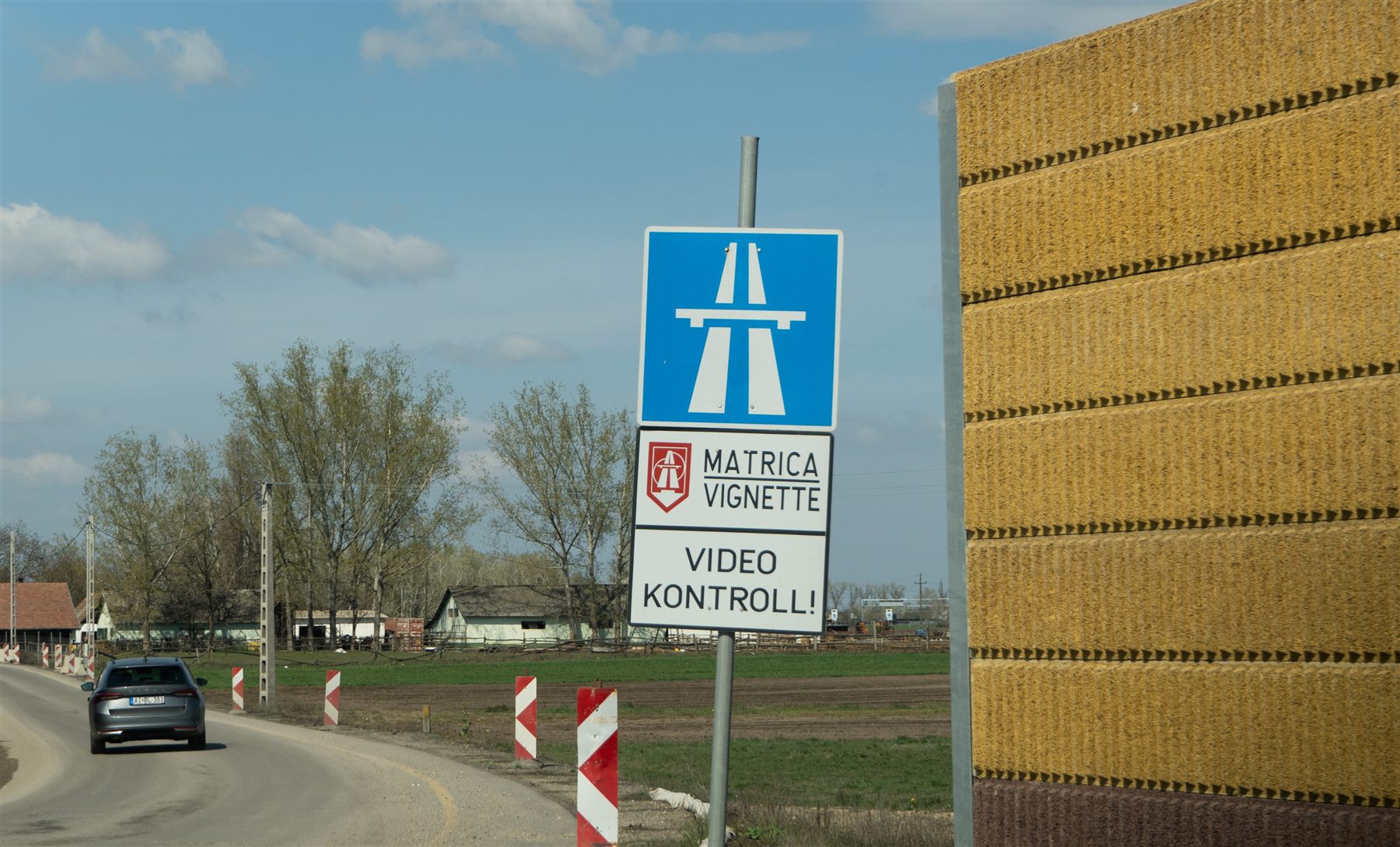
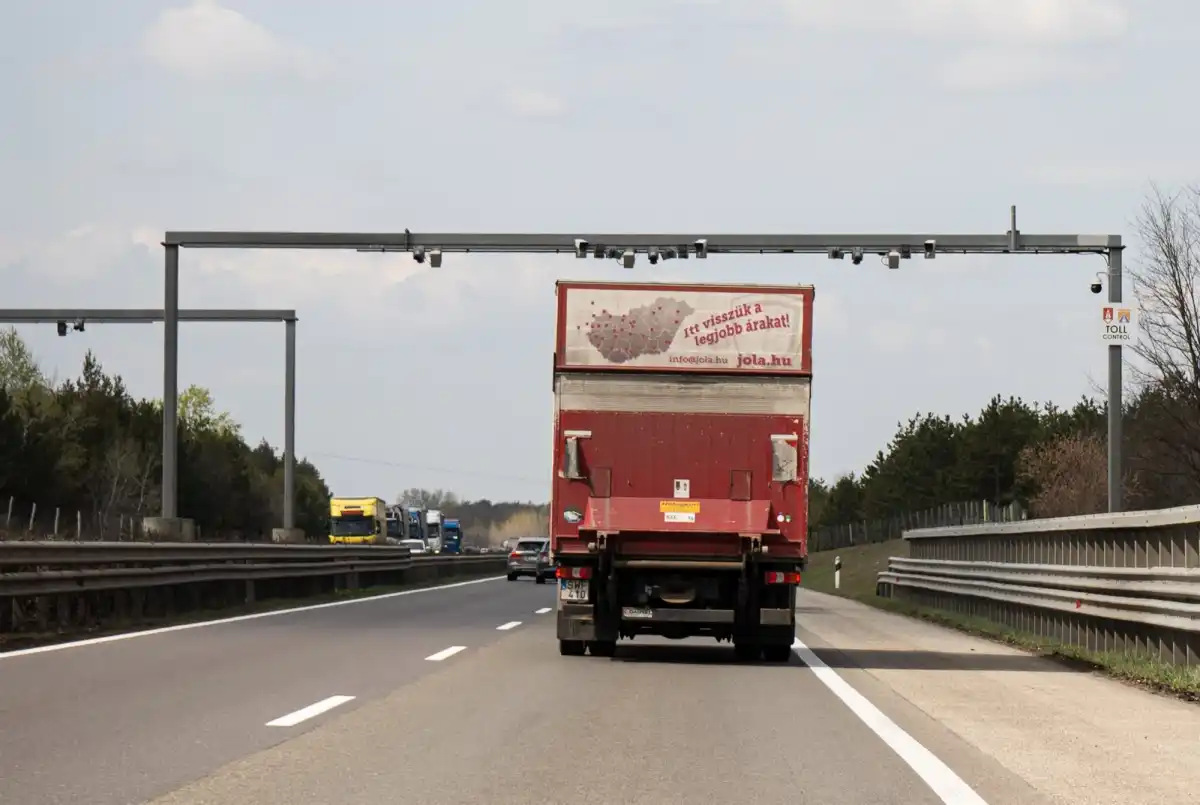
Hungarian motorway enforcement, operated by NÚSZ (Nemzeti Útdíjszolgáltató Zrt.), relies heavily on overhead camera gantries doing automatic checks. Unfortunately, these automated systems don't give drivers the benefit of the doubt. Simple mistakes are easily made but can quickly result in expensive fines. And yes, in Hungary, fines are issued for each and every day you drive without a valid vignette.
- License Plate Formatting: Drivers frequently confuse similar characters, such as the letter "O" and the number "0", or omit mandatory country identifiers when entering foreign plates. Because of this, our registration flows are configured to catch common formatting problems before an order goes through.
- The D1 vs. D2 Vehicle Classification: Selecting Category D1 (passenger cars up to 7 seats and 3.5 tonnes) instead of Category D2 (larger vans, motorhomes, or passenger vehicles rated for more than 7 seats) remains one of the most common mistakes. Even though D2 vignettes cost more, buying a D1 vignette for a D2 vehicle leaves your vehicle unregistered in the eyes of enforcement cameras. That means you still get fined when you get the classification wrong.
- Trailers and Category U: If you're driving a D2 category vehicle and towing a trailer, Hungarian regulations require a separate Category U e-vignette specifically for that trailer. We try to make this distinction clear during booking so drivers understand exactly what they need before they travel.
How do I test our operations in Hungary?
While I spend a lot of my time buried in database workflows and system monitoring, staying connected to what drivers actually experience on the road is equally important.
Driving Hungarian routes myself gives me a useful context for the decisions we make behind the scenes. For example:
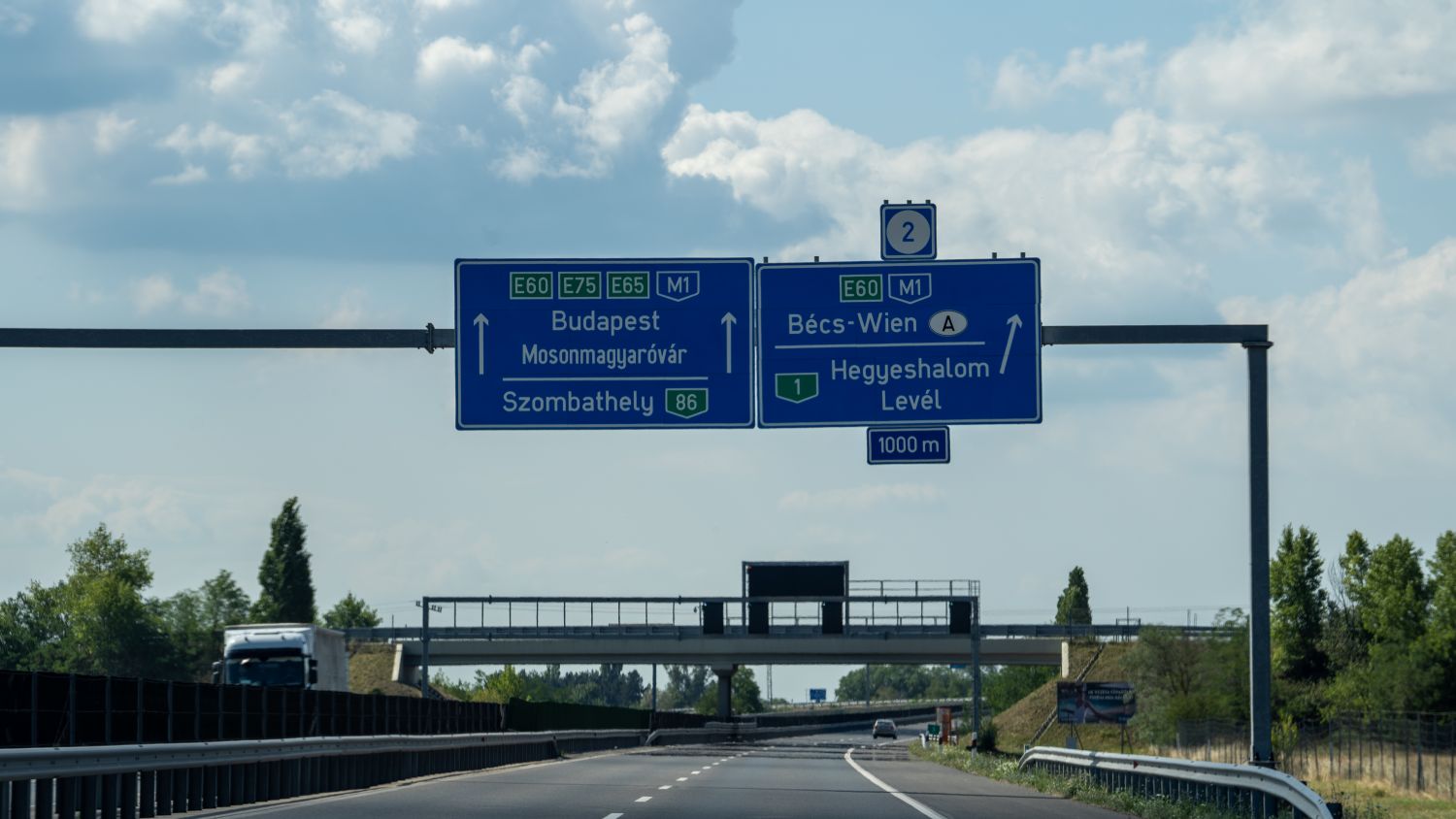
- Immediate Gantry Verification: On key transit roads, like the M1 coming from Hegyeshalom at the Austrian border, enforcement gantries are in position to scan plates almost immediately after entry. This means instant database confirmation is essential because there's no grace period to buy a vignette after you've crossed over.
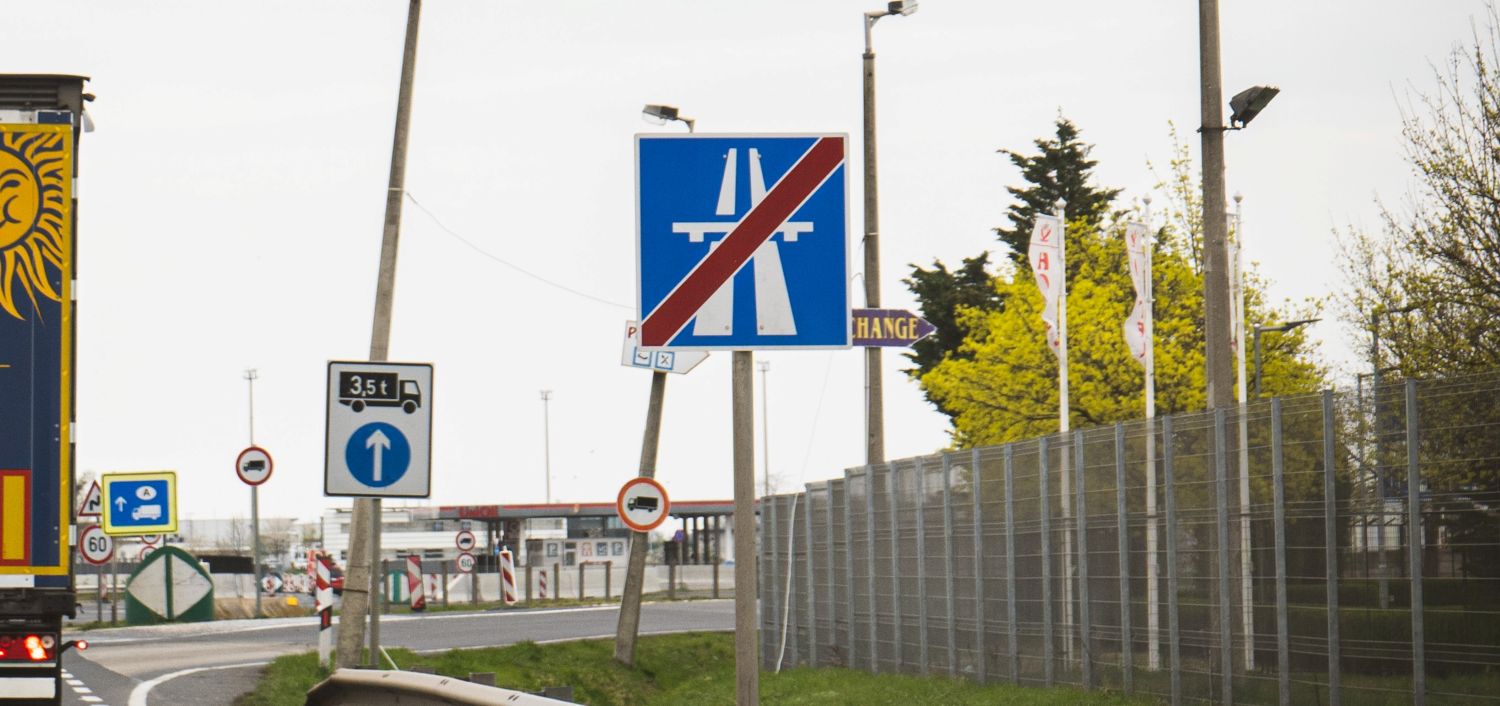
- Border Bottlenecks: At major eastern exits like the M43 towards Romania (Nagylak / Csanádpalota), heavy freight traffic and sudden 40 km/h speed drops can make driving stressful. Having your registration sorted well before reaching these pinch points keeps you focused on the road.
These real-world observations help us improve the way our systems and customer guidance are set up.
How do I help drivers to avoid common problems?
My role is largely about preventing issues before they turn into support cases or fines.
- Prevent registration errors: We check common problem areas, such as the licence plate format, country code and characters that are easy to confuse (o/0, l/1) before an order is completed, thus decreasing the likelihood of fines.
- Help drivers choose the correct vehicle category: We guide drivers through the various categories (D1, D2, D1M, U), including common mistakes, such as vehicles with more than eight seats or trailers and caravans that require their own cover.
- Avoid gaps in coverage: We make start dates and validity periods as clear as possible, so drivers don't arrive at the motorway before their vignette becomes active.
- Help drivers choose the right product: We explain the difference between national and county vignettes, and help drivers choose the appropriate validity period for their journey.
- Reduce avoidable support and refund requests: The more we can help drivers identify mistakes before payment, the fewer problems they have to solve afterwards.
- Provide clear confirmation: Customers receive confirmation of key details, such as their licence plate number, vehicle category, and validity period, so they have a clear record of what is covered.
- Build trust through clear guidance: We aim to explain all important details and toll rules in straightforward language and in the customer's own language wherever possible, so they can travel with more confidence.
How my team thinks about reliability
When you use our service, you're not just buying a digital permit. You're also paying for a process that is designed to reduce uncertainty and give you peace of mind.
My standard for our operations is simple: clear information before purchase, fast confirmation once the registration is completed, and human support if something unexpected comes up.
If you ever need help checking a vehicle classification or confirming an order status, our customer support team is available 24/7.
We also stand behind the way we process orders. If a fine is issued due to a mistake on our part, our Fine Guarantee policy is there to protect our customers—no questions asked!
How does my role as a COO help me review our content?
My operational role gives me a broad view of the problems drivers actually face when travelling or crossing borders in Europe.
I follow all regulatory developments connected to road use and tolling in Hungary, and I also travel the routes myself. On top of that, I stay close to our customer support team and regularly see the questions, mistakes, and frustrations that come in from real drivers. Over time, that combination has given me a practical understanding of both the official rules and the way those rules affect people on the road.
That's why I'm involved in the final review of much of our content. By the time an article reaches me, it's usually already been written, checked and improved by several people. My role is to give it one final operational review: to check whether the information matches current rules, reflects what our customers actually experience, and whether there are any practical details that could make our guides even more useful.
I often find that the small operational details make the biggest difference, and those are the things I try to add before we publish.